
As a mom of three, I value only the best healthcare providers for my family. Therefore, I created an orthodontic practice in Denver, CO offering the most progressive technology and approach where beautiful smiles, healthy airways, healthy bites, and a convenient and comforting experience are aligned.
Utilizing the latest digital technology, including 3D x-rays and teeth scanning, we deliver top-notch orthodontics in a comfortable manner. If you’re looking for the most modern and personalized orthodontic care in Denver for yourself or your child, we would love to meet you.
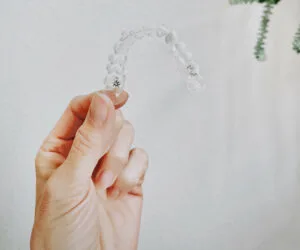
We bring you more than just a glowing smile. Your individualized treatment is designed by the doctor focusing on your airway, tooth alignment, and aesthetic goals – the three essential elements for achieving ideal oral health and function.
Airway
The way you breathe creates the foundation of a balanced face and better health.
From our space to our holistic approach to treatment, everything at aligned. Orthodontics is designed with you and your family in mind. We want you to feel at home as we work together to create your dream smile so that each visit leaves you refreshed and inspired.
From booking your appointment online to developing your orthodontic care plan, you’re sure to enjoy a simple and stress-free experience from start to finish. We even offer a Comfort Menu to help you sit back and relax during your appointment – complete with Netflix and a complimentary beverage bar!
It’s been several months since finishing my Invisalign treatment and plan with Dr. V, and I am still thinking about how happy I am that I did it. My teeth are so much healthier and my smile is great.
– Nikki
Not only does my smile look amazing, it looks better than I could have ever imagined! Dr. V’s attention to detail in aesthetics, modern approach to orthodontics, and all-around expertise have been very apparent throughout my experience.
– Amy
A true artist! I am very happy with my complete transformation with Invisalign! Dr. Vanderstelt was there every step of the way.
– Kiah
tooth, orthodontics, align technology, retainer, malocclusion, patient, jaw, dental degree, clear aligners, american association of orthodontists, metal, orthodontic headgear, upper west side, exam, therapy, american board of orthodontics, tooth decay, palatal expansion, orthodontist appointment, orthodontist, the orthodontist, wire, new york city, disease, mouth, occlusion, oral hygiene, gums, upper east side, confidence, evaluation, midtown manhattan, dental school, angle, desk, tongue, bracket, cosmetic dentistry, palate, smile braces, family braces, cost of braces for adults, allen orthodontics, behind teeth braces, pediatric dentistry and orthodontics, orthodontist open on saturday, medicaid orthodontist, bottom braces, my orthodontist, braces and smiles, dentist and orthodontist, orthodontic retainers, roof, hygiene, dental public health, lip, thumb sucking, mouth breathing, arch, physician, elastics, wear, park avenue, invisible braces, invisalign price, invisible aligners, braces for teeth, retainers for teeth, braces price, bite invisalign, invisalign retainer, smile retainers, braces, retainers, clear braces, clear retainers, ortho, suresmile, metal braces, accessibility, invisalign teeth, attention, queens, adult orthodontics, straight teeth, board certified, teeth, traditional braces, treatment, beautiful smile, free consultation, invisalign experience, invisalign treatment, dental, orthodontic, treatments, invisalign clear aligners, online invisalign, invisible teeth braces, align teeth, straighter teeth at home, candid braces, invisalign crystals, transparent teeth braces, invisible teeth braces price, aligned orthodontics, my invisalign, realigning teeth, aligned house of orthodontics
Frequently Asked Questions
How the FDA classifies an orthodontic clear aligner?
The FDA classifies orthodontic clear aligners as Class II medical devices. This classification indicates they require special controls to ensure safety and efficacy, necessitating evidence that they are effective for teeth movement and align properly to enhance patient care.
Are invisible aligners orthodontics?
Invisible aligners are a form of orthodontics. They utilize clear, custom-fit trays to gradually straighten teeth, addressing both cosmetic and functional teeth alignment issues effectively.
Are braces done by an orthodontist?
Braces are indeed applied by an orthodontist. These specialists have the training and expertise to design and manage your treatment plan, ensuring effective alignment of your teeth and improvement of your overall oral health.
Are braces considered an orthodontic appliance?
Braces are indeed classified as an orthodontic appliance. They are designed to align teeth and correct bite issues, enhancing both function and aesthetics in orthodontic treatment.
How many adult orthodontic patients choose clear aligners?
A significant number of adult orthodontic patients prefer clear aligners for their treatment. In fact, studies indicate that over 40% of adults undergoing orthodontic care opt for clear aligners due to their discrete appearance and comfort.
What differentiates clear aligners and braces?
The differences between clear aligners and braces lie in their appearance and application. Clear aligners are removable, virtually invisible, and comfortable, while traditional braces use brackets and wires to gradually shift teeth.
Are clear aligners effective for teeth straightening?
Clear aligners are effective for teeth straightening, offering a discreet and comfortable solution for aligning teeth and correcting bite issues while allowing for improved oral hygiene throughout the treatment process.
How long do invisible aligners take to work?
Invisible aligners typically take 6 to 18 months to achieve desired results, depending on individual treatment plans and the complexity of the case. Regular wear and adherence to orthodontist instructions will help ensure optimal outcomes.
What does the FDA say about orthodontics?
The FDA indicates that orthodontic devices, such as braces and aligners, are classified as medical devices and must meet stringent safety and effectiveness standards. They oversee the approval process to ensure that these products are safe for patient use.
Can adults use clear aligners successfully?
Adults can successfully use clear aligners to achieve effective orthodontic treatment. Many mature patients find them a convenient and discreet option for aligning their teeth and improving their smiles.
What are the costs of orthodontic treatments?
The costs of orthodontic treatments vary based on factors such as the complexity of the case, type of appliances used, and treatment duration. At aligned. Orthodontics, we provide personalized estimates during the initial consultation to ensure transparency and affordability.
Do orthodontists recommend invisible aligners?
Orthodontists often recommend invisible aligners as an effective, discreet treatment option for achieving straighter teeth. They combine comfort and aesthetics while also addressing functional concerns, making them a popular choice among patients seeking orthodontic care.
How are braces adjusted during treatment?
Braces are adjusted during treatment by routinely visiting your orthodontist, who will change the wires, elastic bands, or adjust brackets to ensure proper alignment and movement of the teeth. This process helps guide your teeth into their desired positions.
What materials are used in clear aligners?
The materials used in clear aligners are typically medical-grade thermoplastic polymers, designed for comfort and durability. These materials are transparent, making aligners discreet, while effectively providing the necessary force to gradually shift teeth into their desired positions.
Can clear aligners treat complex orthodontic issues?
Clear aligners can address some complex orthodontic issues, but their effectiveness depends on individual cases. Consultation with an orthodontist is essential to determine if clear aligners are suitable for specific concerns like severe misalignments or bite problems.
What are the pros and cons of braces?
The pros and cons of braces are as follows: Braces effectively straighten teeth and improve bite alignment, enhancing both function and aesthetics. However, they can cause discomfort, require regular maintenance, and necessitate dietary adjustments during treatment.
How often should clear aligners be changed?
Clear aligners should typically be changed every one to two weeks, depending on your specific treatment plan as determined by your orthodontist. Regularly changing them helps ensure optimal progression towards your desired smile.
Are braces suitable for all age groups?
Braces are suitable for all age groups, from children to adults, as orthodontic treatment can effectively address various dental issues at any stage of life.
How do orthodontists assess treatment plans?
Orthodontists assess treatment plans by thoroughly evaluating a patient's dental and facial structures through digital imaging, physical examinations, and patient history. They then collaborate to create a customized approach that addresses both functional and aesthetic needs.
What is the process of getting braces?
The process of getting braces involves an initial consultation where your orthodontist assesses your teeth and creates a treatment plan, followed by the application of braces, regular adjustments, and finally, the removal of braces and retention to maintain your new smile.
Can clear aligners affect speech during use?
Clear aligners can affect speech during use. Initially, some patients may experience a slight lisp or difficulty pronouncing certain words, but this typically improves as you adjust to wearing the aligners.
What post-treatment care is needed after braces?
Post-treatment care after braces includes maintaining a rigorous oral hygiene routine, wearing retainers as prescribed, and scheduling regular check-ups with your orthodontist to ensure your teeth remain aligned and your gums stay healthy.
How does insurance cover orthodontic procedures?
Insurance coverage for orthodontic procedures varies by plan, but many typically cover a portion of treatment costs, particularly for children. It’s important to check with your provider to understand specific benefits, limits, and any waiting periods.
What advancements exist in clear aligner technology?
Recent advancements in clear aligner technology include improved material strength, enhanced digital scanning for precise fit, and artificial intelligence algorithms that optimize treatment plans, resulting in more effective, faster, and comfortable orthodontic care.
Are there alternatives to traditional braces?
Alternatives to traditional braces include clear aligners, such as Invisalign, which gradually straighten teeth without metal brackets. Other options may involve lingual braces, which are placed behind the teeth, providing a discreet treatment method.
How do retainers work after orthodontic treatment?
Retainers work after orthodontic treatment by holding your teeth in their new positions, preventing them from shifting back to their original alignment. They are essential for maintaining your results as your mouth stabilizes following braces or clear aligners.
Is there a pain associated with clear aligners?
The discomfort associated with clear aligners is typically minimal. Patients may experience mild soreness or pressure when they first start wearing a new aligner, but this usually subsides within a few days as the teeth adjust.
What are common myths about orthodontic treatments?
Common myths about orthodontic treatments include the belief that braces are only for kids and that they are purely cosmetic. In reality, orthodontics corrects jaw alignment and bite issues for patients of all ages, promoting overall dental health.
How to maintain oral hygiene with braces?
Maintaining oral hygiene with braces is crucial for preventing plaque build-up and ensuring a healthy mouth. Brush thoroughly after every meal, use an interdental brush for hard-to-reach areas, and floss daily to keep your teeth and gums in optimal condition.
What factors influence choosing braces over aligners?
Factors influencing the choice between braces and aligners include the complexity of the orthodontic issue, patient compliance, treatment speed, aesthetics, and specific dental and jaw alignment needs. Braces may be more suitable for severe cases, while aligners offer a more discreet option for mild to moderate corrections.
aligned orthodontics, orthodontist, invisalign denver, orthodontist near me, adult dental braces, adult dental braces denver co, airway orthodontics, braces, braces denver co, braces orthodontics denver co, dental whitening denver co, dental whitening near me, invisalign denver co, kids braces, kinds braces denver co, local orthodontist, ortho denver co, orthodontic specialist, orthodontic specialist denver co, teen orthodontic treatment, airway orthodontics denver co, orthodontics near me, orthodontic specialist near me, orthodontists near me, lingual braces denver co, lingual braces near me, braces near me, orthodontic treatments near me, airway orthodontics near me, braces orthodontics near me, orthodontics denver co, orthodontist denver co, adult dental braces near me, orthodontists, orthodontist denver, invisalign near me, denver orthodontist, denver invisalign, clear braces near me