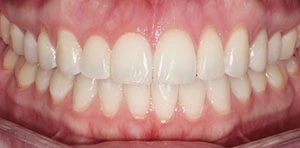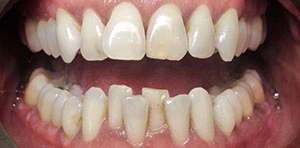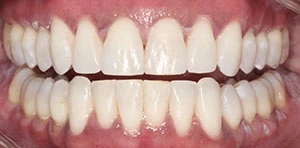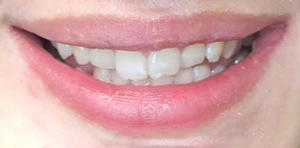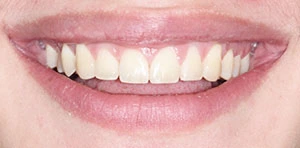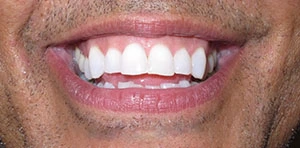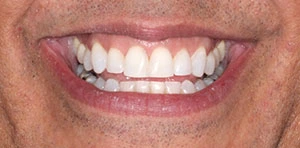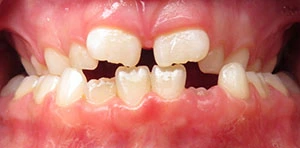
At aligned. Orthodontics, we understand that abnormal jaw alignment isn’t just about crooked teeth; it can lead to a range of health issues, from airway and breathing concerns to various other dental problems. Our specialized orthodontic services focus not only on straightening teeth but also on addressing these underlying issues. By correcting alignment, we aim to improve overall health, providing comprehensive care that goes beyond aesthetics. Explore below to see the treatment offerings from your local orthodontist in Denver.
Clear & Metal Braces
At aligned., we use Damon braces, which are often better than traditional braces because they use a unique sliding mechanism that allows teeth to move more easily and quickly. This can lead to shorter treatment times and fewer adjustments. Additionally, clear Damon braces are less noticeable, making them a more discreet option for those who want a more subtle look while straightening their teeth.
InBrace (lingual braces) are custom brackets placed behind your teeth, making them truly invisible. They allow you to floss normally and even whiten your teeth while wearing them. Designed for teens and adults, they provide a discreet way to achieve your smile goals.
Clear aligners are an excellent choice for all ages, including the youngest kids in our practice, with options for nighttime wear! They’re easy to remove for regular cleaning, let you eat almost anything, and have no poking appliances. Plus, they require fewer and less painful visits than braces, making them a convenient option for everyone. Dr. Vanderstelt is an expert in using aligners, even for the most challenging cases.
Expanders are used for children to widen the upper jaw, creating more space in the nasal passage and dental arches. This helps teeth come in better aligned and improves nasal breathing.
MARPE is an alternative to jaw surgery for teens and adults seeking a wider upper jaw and broader smile, crossbite correction, and improved nasal breathing. It uses bone screws with an expander to gently widen the upper jaw, correcting crossbites and narrow dental arches. This technique also increases nasal airway volume, improves nasal breathing, and potentially reduces sleep apnea.
Jaw surgery addresses idealizing the jaw structure so that the airway, face, bite, and smile are all in alignment with their ideal and healthiest position. It usually requires about 12 months of orthodontics prior to the surgery and another 9-12 months of orthodontics after surgery.
From a young age, poor jaw development—such as narrow or recessed upper and lower jaws—can negatively affect the airway, resulting in sleep issues and long-term health problems. We provide solutions for children as young as five and adults up to their seventies to address and improve these root causes of airway problems.
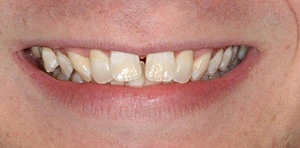
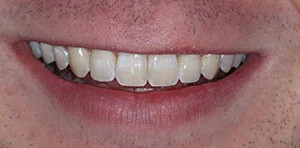
We love helping people live better through a brighter, aligned smile. Meet some of our friends who have taken the alignment journey with Denver orthodontist Dr. Vanderstelt!
We’ve collected some of the most common orthodontic questions (and their answers) here. If you’re wondering when to see an orthodontist (or whether you’re too old for braces), we cover these important alignment questions and more! Don’t see what you’re looking for? Don’t worry – just give us a call and we’ll be happy to help.
WHY SHOULD I CHOOSE A BOARD CERTIFIED ORTHODONTIC SPECIALIST?
Your teeth, entire facial structures, and airway can be impacted by orthodontic treatment. Choosing to go to an Orthodontic Specialist who is Board Certified means that they went to four years of undergrad, four years of dental school, two to three years of an accredited orthodontic residency, and then went through the American Board of Orthodontics’ credentialing process that requires the completion of peer-developed, externally validated written and clinical examination. A Board Certified Orthodontist has reached the highest level of achievement by pursuing additional voluntary education and ongoing self-assessment.
WHEN SHOULD I SCHEDULE AN ORTHODONTIC EVALUATION FOR MY CHILD?
At our practice, we like to see children at five because we want to catch any airway and jaw structure problems early. If no orthodontics is needed, we will continue to see your child back once a year to observe their growth.
AM I TOO OLD FOR BRACES?
For those who can benefit from orthodontics, it’s never too late for orthodontic treatment. An increasing number of adults are taking advantage of the lifelong benefits of orthodontic care, choosing to spend the rest of their lives with an attractive, healthy smile and the confidence that it brings. At aligned. Orthodontics, we are experts in adult aesthetic options, from Invisalign to clear and lingual braces. You are never too old to enhance your bite and smile.
How do teeth move?
Light pressure is applied to the teeth over time by using a variety of orthodontic appliances, causing movement. The most common hardware are braces, or brackets, attached to the teeth and connected by an archwire, which is periodically changed to apply different amounts of pressure to teeth. Younger patients may wear headgear, elastics, a positioner, or a retainer during their orthodontic journey.
If I have braces, do I still need regular dental checkups?
Yes! In fact, it’s even more important for orthodontic patients to visit their dentist. With braces, food can be caught in places your toothbrush can’t reach, creating the perfect environment for bacteria to build up – leading to cavities, gingivitis, and gum disease.
Do I need to brush my teeth more often if I have braces?
With braces, you should brush your teeth at least three times a day to keep your teeth, gums, and mouth healthy and clean. Brushing regularly will help remove any food caught between your braces. You should also floss daily to get between your braces where your brush isn’t able to reach.
Invisalign®, the Invisalign logo, and iTero®, among others, are trademarks and/or service marks of Align Technology, Inc. or one of its subsidiaries or affiliated companies and may be registered in the U.S. and/or other countries.
patient, tooth, orthodontics, retainer, dental school, jaw, tooth decay, gums, oral hygiene, disease, malocclusion, american board of orthodontics, palatal expansion, american association of orthodontists, mouth, clear aligners, dental implant, knowledge, align technology, wire, dental degree, therapy, metal, general, orthodontist appointment, orthodontist, the orthodontist, braces dr, orthodontist do, exam, confidence, hygiene, orthodontic headgear, evaluation, dental public health, understanding, physician, board certification, calculus, attention, angle, palate, chewing, endodontics, periodontology, zip code, customer, policy, tooth enamel, biology, ceramic, mouthguard, smile braces, family braces, cost of braces for adults, allen orthodontics, behind teeth braces, pediatric dentistry and orthodontics, orthodontist open on saturday, medicaid orthodontist, bottom braces, my orthodontist, orthod, accessibility, invisalign teeth, queens, orthodontic, teeth, invisalign clear aligners, straight teeth, invisalign treatment, retainers, traditional braces, braces, board certified, invisalign aligners, treatments, beautiful smile, free consultation, treatment, adult orthodontics, invisalign experience, dental, bite invisalign, online invisalign, invisible teeth braces, align teeth, straighter teeth at home, candid braces, invisalign crystals, transparent teeth braces, invisible teeth braces price, aligned orthodontics, my invisalign, realigning teeth, aligned house of orthodontics, schedule a consultation, orthopedic surgery, pride, plastic
Frequently Asked Questions
Can braces align your jaw?
Braces can align your jaw by gradually shifting teeth into their correct positions, which helps improve jaw alignment and function. This treatment can address issues such as misalignment and contribute to better overall oral health.
Can aligners correct overbite?
Aligners can effectively correct an overbite by gradually shifting the teeth into their proper positions. This treatment can help improve both the alignment and function of the jaw, leading to better oral health.
Can braces align teeth?
Braces are effective tools for aligning teeth. They gradually shift teeth into their desired positions, correcting misalignment and improving both aesthetics and overall dental health.
Do braces help jaw alignment?
Braces are designed to effectively help with jaw alignment. They apply gentle pressure to the teeth, gradually shifting them into their proper position, which can improve both dental function and overall jaw alignment.
What issues can braces fix?
Braces can effectively address a variety of orthodontic issues, including crooked or misaligned teeth, gaps between teeth, overbites, underbites, crossbites, and jaw alignment problems. They also serve to improve overall oral health and functionality.
How do aligners improve overbite?
Aligners improve overbite by gently shifting teeth into their correct positions, gradually realigning the jaw. This technique effectively addresses both dental and skeletal discrepancies, leading to improved function and aesthetics over time.
Can braces adjust facial structure?
Braces can indeed adjust facial structure. By correcting teeth alignment and jaw positioning, braces contribute to improved facial aesthetics and harmony, potentially enhancing the overall appearance of the face.
What is the process for braces?
The process for braces involves an initial consultation, imaging and assessment of your teeth, placement of brackets, attaching wires, and regular adjustments. This comprehensive approach helps align your teeth and jaw for improved oral health and aesthetics.
How effective are braces for teeth?
Braces are highly effective for correcting misaligned teeth and improving overall oral health. They gradually shift teeth into their proper position, addressing issues such as bite alignment, overcrowding, and spacing, resulting in a functional and aesthetically pleasing smile.
Can aligners replace traditional braces?
Aligners can effectively replace traditional braces for many patients. They offer a discreet and comfortable alternative for teeth straightening, suitable for addressing a variety of alignment issues, depending on individual needs and the complexity of the case.
How long do braces take for alignment?
The duration for braces to achieve alignment typically ranges from 18 to 24 months, depending on individual circumstances such as the severity of misalignment and the specific treatment plan established by your orthodontist.
What are risks of braces treatment?
The risks of braces treatment include potential discomfort, oral hygiene challenges, issues with speech, and in rare cases, tooth root resorption or jaw discomfort. However, these risks can be managed with proper care and guidance from your orthodontist.
Can braces correct spacing issues?
Braces can effectively correct spacing issues between teeth. By applying consistent pressure, braces gradually move teeth into their proper positions, creating a more aligned and functional smile.
Do aligners move teeth effectively?
Aligners are effective in moving teeth. They use gentle, controlled pressure to gradually shift teeth into the desired position, making them an efficient orthodontic treatment option for achieving a healthier, straighter smile.
What types of braces are available?
The types of braces available include traditional metal braces, clear braces, lingual braces, and clear aligners. Each option offers unique benefits tailored to different orthodontic needs and preferences.
Can aligners impact bite alignment?
Aligners can indeed impact bite alignment. By gradually shifting teeth into proper positions, they can correct misalignments and improve overall bite function, leading to better oral health and enhanced comfort.
How do braces create a smile?
Braces create a smile by gradually aligning teeth and correcting jaw positioning through consistent pressure over time, which enhances both appearance and function, resulting in a healthier, more confident smile.
What factors affect braces duration?
The duration of braces treatment is influenced by factors such as the complexity of the dental issues, the type of braces used, patient age, adherence to wearing appliances, and weekly follow-up appointments.
Can aligners be used for adults?
Aligners can indeed be used for adults. Many adults choose aligners as an effective and discreet method for correcting misalignment and improving their smiles without the need for traditional braces.
How are braces adjusted over time?
Braces are adjusted over time by periodically tightening or replacing the archwires and repositioning brackets to gradually move teeth into their desired positions. These adjustments typically occur every 4 to 8 weeks during your orthodontic treatment.
Do braces require special care?
Braces require special care to ensure effective treatment and oral health. You should maintain excellent oral hygiene, avoid certain foods, and follow your orthodontist's instructions for adjustments and follow-up visits.
Can aligners treat complex cases?
Aligners can treat complex cases; however, their effectiveness depends on the specific issues present. Comprehensive evaluation by an orthodontist is essential to determine the suitability of aligners for addressing intricate dental concerns.
What are costs associated with braces?
The costs associated with braces can vary widely depending on the type of braces selected, the complexity of the treatment, and the orthodontist's experience. On average, you can expect to pay between $3,000 to $7,000.
How to choose between braces and aligners?
Choosing between braces and aligners depends on factors like your specific orthodontic needs, lifestyle, and personal preference. Consult with your orthodontist to determine which option best addresses your alignment goals and comfort level.
Can braces reduce teeth grinding issues?
Braces can help reduce teeth grinding issues by aligning the teeth and jaw, which may alleviate the pressure causing bruxism. Proper alignment can lead to more balanced bite mechanics and less strain on the jaw muscles.
What are benefits of aligners?
The benefits of aligners include their discreet appearance, comfort, and flexibility. They effectively straighten teeth while allowing easier oral hygiene and fewer dietary restrictions compared to traditional braces. Aligners are also typically more comfortable with less irritation to the gums.
How often should aligners be changed?
Aligners should typically be changed every one to two weeks, depending on your specific treatment plan. Your orthodontist will provide guidance tailored to your progress and needs to ensure optimal results.
Can braces affect jaw pain?
Braces can affect jaw pain by shifting teeth and aligning the jaw over time. While some discomfort is normal during treatment, any persistent pain should be discussed with your orthodontist to ensure proper management and adjustments.
What maintenance is needed for aligners?
The maintenance needed for aligners includes regular cleaning with a soft toothbrush and mild soap, avoiding hot water, and ensuring they're stored in a protective case when not in use. It’s essential to follow your orthodontist's guidelines for optimal results.
Are there age limits for braces?
There are no strict age limits for getting braces. Both children and adults can benefit from orthodontic treatment, as the timing may vary based on individual dental needs and growth stages.
align orthodontics, aligned orthodontics, aligned orthodontics denver, adult dental braces, adult dental braces denver co, airway orthodontics, braces, braces denver co, braces orthodontics denver co, dental whitening denver co, dental whitening near me, invisalign denver co, kids braces, kinds braces denver co, local orthodontist, ortho denver co, orthodontic specialist, orthodontic specialist denver co, teen orthodontic treatment, airway orthodontics denver co, orthodontics near me, orthodontist near me, orthodontic specialist near me, orthodontist, orthodontists near me, lingual braces denver co, lingual braces near me, braces near me, orthodontic treatments near me, airway orthodontics near me, braces orthodontics near me, orthodontics denver co, orthodontist denver co, adult dental braces near me, orthodontists, denver orthodontist, orthodontist denver, amanda vanderstelt, orthodontic treatment near me