Frequently Asked Questions
Are braces done by an orthodontist?
Braces are indeed applied by an orthodontist, who is a dental specialist trained specifically in aligning teeth and jaws. Their expertise ensures effective treatment for achieving a healthy, beautiful smile.
How many adult orthodontic patients choose clear aligners?
A significant number of adult orthodontic patients opt for clear aligners due to their discreet appearance and comfort, with approximately 60-70% choosing this treatment option in recent years.
What treatments do orthodontists offer for adults?
Orthodontists offer a range of treatments for adults, including traditional metal braces, ceramic braces, and clear aligners, which can effectively address issues like teeth misalignment, crowding, or spacing to enhance both function and aesthetics.
How effective are clear aligners for adults?
The effectiveness of clear aligners for adults is significant, as they can successfully address various orthodontic issues, improve alignment, and enhance overall oral health while offering a discreet and comfortable treatment option.
What is the cost of braces for adults?
The cost of braces for adults varies widely based on treatment type and individual needs, typically ranging from $3,000 to $8,000. Factors influencing this cost include the complexity of the case, duration of treatment, and specific orthodontic approaches used.
What factors influence adult orthodontic treatment?
The factors that influence adult orthodontic treatment include the severity of dental issues, treatment goals, overall oral health, lifestyle considerations, and the availability of advanced technology. A personalized assessment will determine the best approach for each individual.
How long does orthodontic treatment take for adults?
The duration of orthodontic treatment for adults varies, typically ranging from 12 to 24 months. Factors such as the complexity of the case, the type of braces used, and individual treatment goals can influence the overall timeline.
Are there age limits for orthodontic treatment?
There are no strict age limits for orthodontic treatment. Both children and adults can benefit from orthodontic care, as a healthy smile can be achieved at any age with personalized treatment options tailored to individual needs.
What are the risks of not wearing aligners?
The risks of not wearing aligners include improper teeth alignment, potential regression to previous positions, and prolonged treatment times. This can lead to additional complications such as bite issues and overall impact on oral health.
How do orthodontists ensure comfort during treatment?
Orthodontists ensure comfort during treatment by utilizing advanced technology, offering personalized care, and providing amenities such as cozy waiting areas and sedation options. These practices aim to make each visit as pleasant and stress-free as possible.
What should I expect during my first orthodontic visit?
During your first orthodontic visit, you can expect a comprehensive evaluation of your dental health, including digital imaging and a discussion of your treatment options tailored to your needs. Our team will also explain the process and address any questions you may have.
How can I maintain my clear aligners?
Maintaining your clear aligners involves regular cleaning and proper handling. Rinse them with lukewarm water and gently brush with a soft toothbrush. Avoid using hot water or harsh chemicals, as these can damage the aligners. Store them safely when not in use.
What are the advantages of clear aligners?
The advantages of clear aligners include their discreet appearance, comfort, and removability, making them a popular choice for patients seeking an effective orthodontic solution without the visibility of traditional braces.
Do orthodontists offer payment plans for treatments?
Orthodontists typically offer payment plans for treatments to make them more accessible. At aligned. Orthodontics, we provide flexible financing options to accommodate various budgets, ensuring that you can receive the care you need without financial stress.
What materials are used in orthodontic appliances?
The materials used in orthodontic appliances include stainless steel, ceramic, and plastic. These materials are selected for their durability, biocompatibility, and aesthetic appeal, ensuring effective treatment while enhancing patient comfort.
Are there any alternatives to traditional braces?
Alternatives to traditional braces include clear aligners, such as Invisalign, and ceramic braces, which blend with the teeth for a more discreet appearance. These options offer effective treatment while enhancing comfort and aesthetics.
How do braces affect daily activities for adults?
Braces can affect daily activities for adults by requiring adjustments in oral hygiene routines, diet, and speech. Initial discomfort may also occur, but most patients quickly adapt to their new braces, allowing for a seamless continuation of daily tasks.
What is the success rate of clear aligners?
The success rate of clear aligners is generally very high, with studies showing effectiveness in over 70% of cases for achieving desired tooth movement and alignment when used as prescribed by an orthodontist.
How often do I need to visit the orthodontist?
The frequency of visits to the orthodontist typically depends on your specific treatment plan, but most patients need to be seen every 4 to 8 weeks. Regular appointments are crucial for monitoring progress and making necessary adjustments.
What are common misconceptions about adult orthodontics?
Common misconceptions about adult orthodontics include the belief that it's too late for treatment after adolescence, that only teenagers can benefit from braces, and that orthodontic care is excessively uncomfortable. In reality, adults can successfully improve their smiles and oral health at any age.
How does oral hygiene change with braces?
Oral hygiene changes significantly with braces, as the brackets and wires create additional areas where food particles and plaque can accumulate. Regular brushing and flossing become crucial, requiring users to adapt their techniques and possibly use specialized tools for effective cleaning.
Can orthodontists treat complex dental cases?
Orthodontists can effectively treat complex dental cases. With their specialized training and advanced techniques, they are equipped to address various issues, including severe misalignments and jaw discrepancies, ensuring optimal outcomes for patients.
How does technology enhance orthodontic treatments?
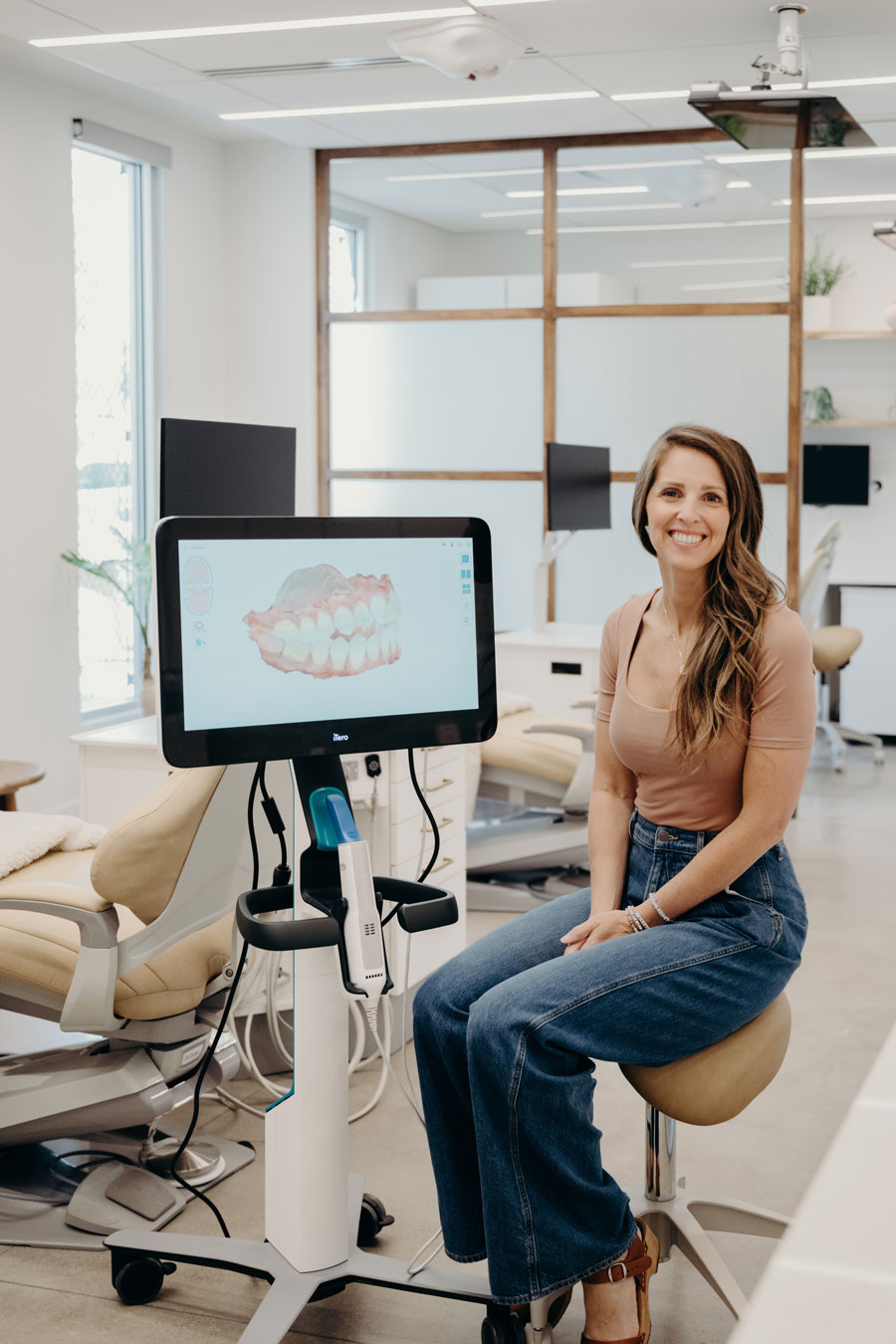
Technology enhances orthodontic treatments by utilizing advanced imaging, 3D printing, and computer simulation, which allows for precise diagnosis and customized treatment plans, ultimately improving efficiency, comfort, and treatment outcomes for patients.
What are the signs I need orthodontic care?
The signs that you may need orthodontic care include misaligned teeth, difficulty chewing or biting, jaw pain, and noticeable gaps between teeth. If you experience any of these issues, it may be time to consult an orthodontist.
How can I choose the right orthodontist?
Choosing the right orthodontist involves considering their qualifications, treatment philosophy, and patient reviews. Look for a provider who offers personalized care and a comfortable environment, ensuring you feel confident and informed throughout your orthodontic journey.
What type of follow-up care is required?
The type of follow-up care required includes regular visits to monitor progress, adjustments to your orthodontic appliances, and guidance on maintaining oral hygiene to ensure optimal results throughout your treatment.
What outcomes can I expect from treatment?
The outcomes you can expect from treatment include a beautifully aligned smile, improved oral health, enhanced self-confidence, and a more comfortable bite. Our personalized approach ensures that your individual needs are thoroughly addressed throughout the process.
Are dietary changes necessary during orthodontic treatment?
Dietary changes are important during orthodontic treatment to ensure optimal results. Soft foods are recommended to avoid damaging braces and to alleviate discomfort while teeth are adjusting.
How do aligners adjust tooth positioning?
Aligners adjust tooth positioning by applying gentle, controlled forces to the teeth. These custom-made, clear trays gradually shift teeth into their desired positions over time, following a digital treatment plan tailored specifically for each patient’s needs.
What should I do if an aligner cracks?
If an aligner cracks, you should immediately contact our office to discuss the issue. We will assess the situation and provide guidance on the next steps, which may include creating a replacement aligner to keep your treatment on track.