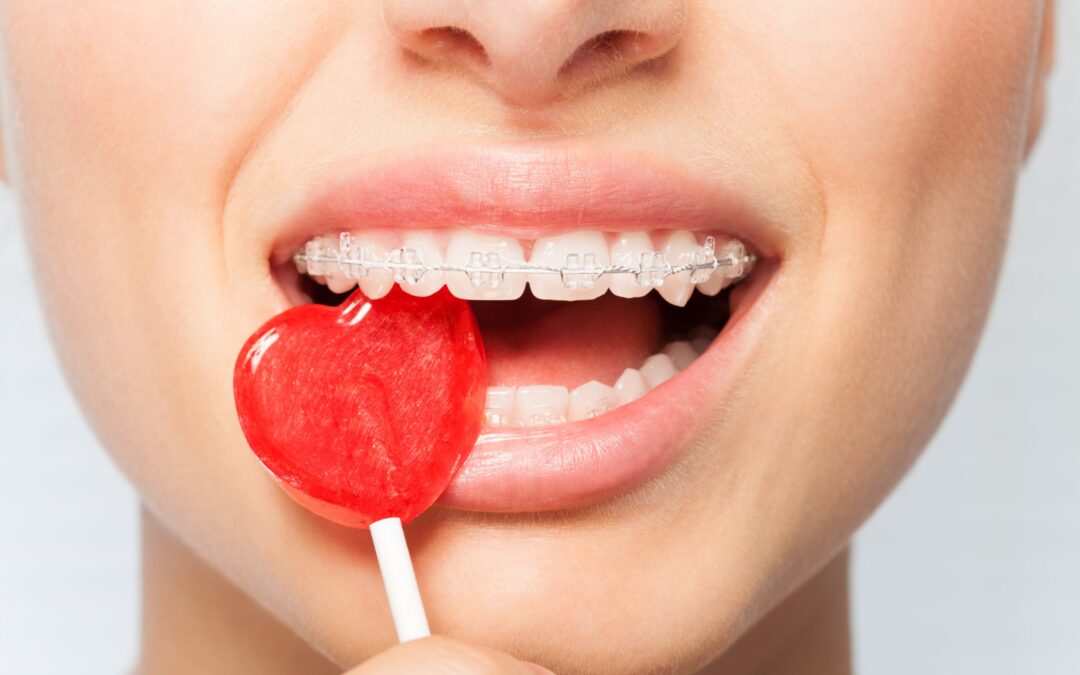
Jul 9, 2025 | Orthodontics
Getting braces is a big step toward your perfect smile. But eating the wrong foods can damage your braces and make your treatment take longer. Hard, sticky, and sugary foods can break brackets, bend wires, and cause problems that need extra visits to your...
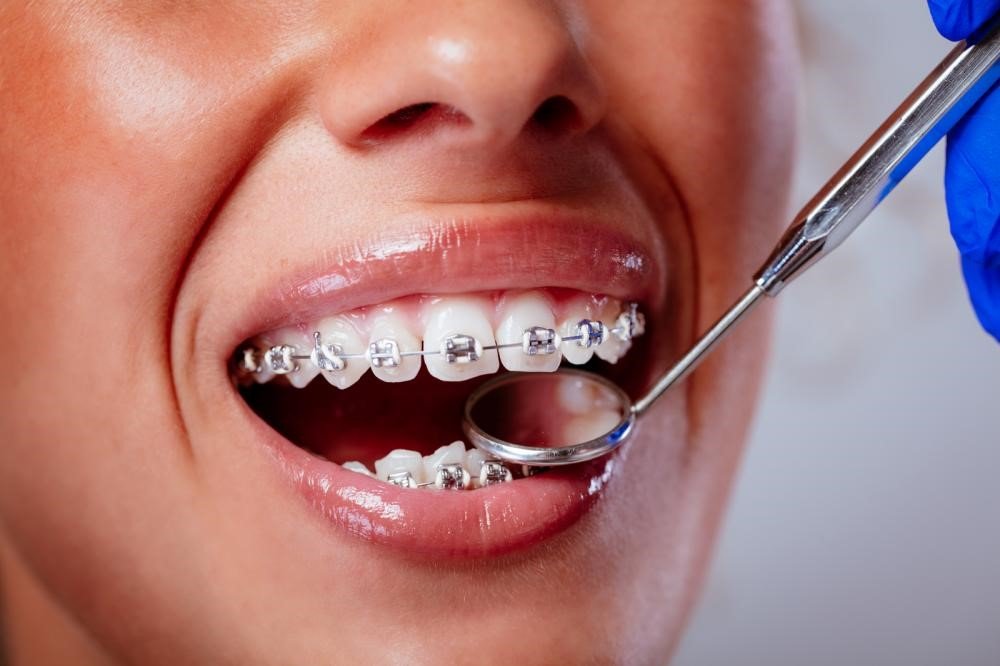
Jul 2, 2025 | Orthodontics
Taking care of braces means keeping your teeth clean, eating the right foods, and seeing your orthodontist regularly. Good braces care helps your treatment work faster and keeps your teeth healthy. According to the American Association of Orthodontists, proper care...
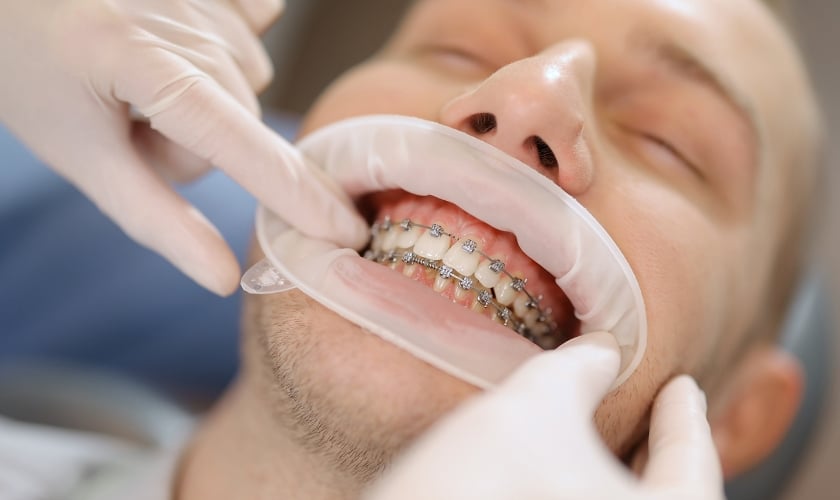
Jun 19, 2025 | Orthodontics
An orthodontic consultation is your first step toward getting a straighter, healthier smile. During this visit, you’ll meet with a specialist who will look at your teeth, take pictures and X-rays, and create a plan just for you. Most consultations are free and...
Jun 4, 2025 | Orthodontics
Most orthodontic treatment takes between 12 to 36 months to complete. The exact time depends on your age, the type of problem you need to fix, and which treatment you choose. Some people finish in as little as 6 months, while others may need up to 3 years. This guide...
May 28, 2025 | Orthodontics
Orthodontic treatment costs between $3,000 and $10,000 or more, depending on what type you choose and how complex your case is. Most people pay around $5,000 to $6,500 for their treatment. The good news? You have many ways to make it more affordable, from insurance...