
Our Blog
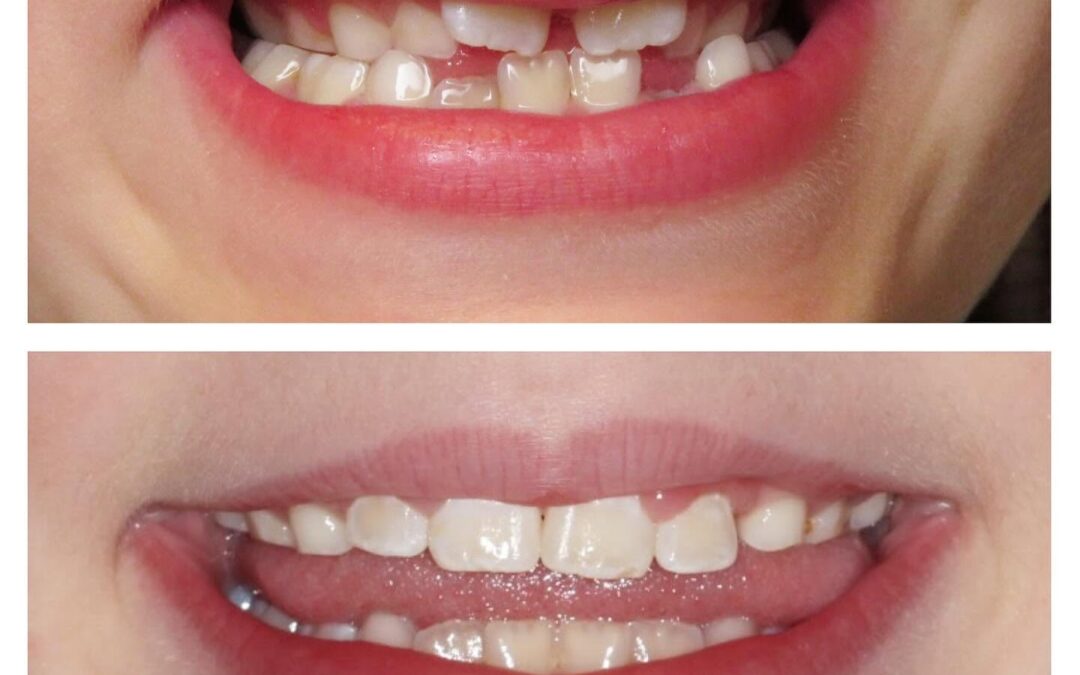
Braces for Kids in Denver
Braces for kids in Denver from a board-certified orthodontist. Find out if your child needs braces now, later, or not at all, and what the first visit covers.
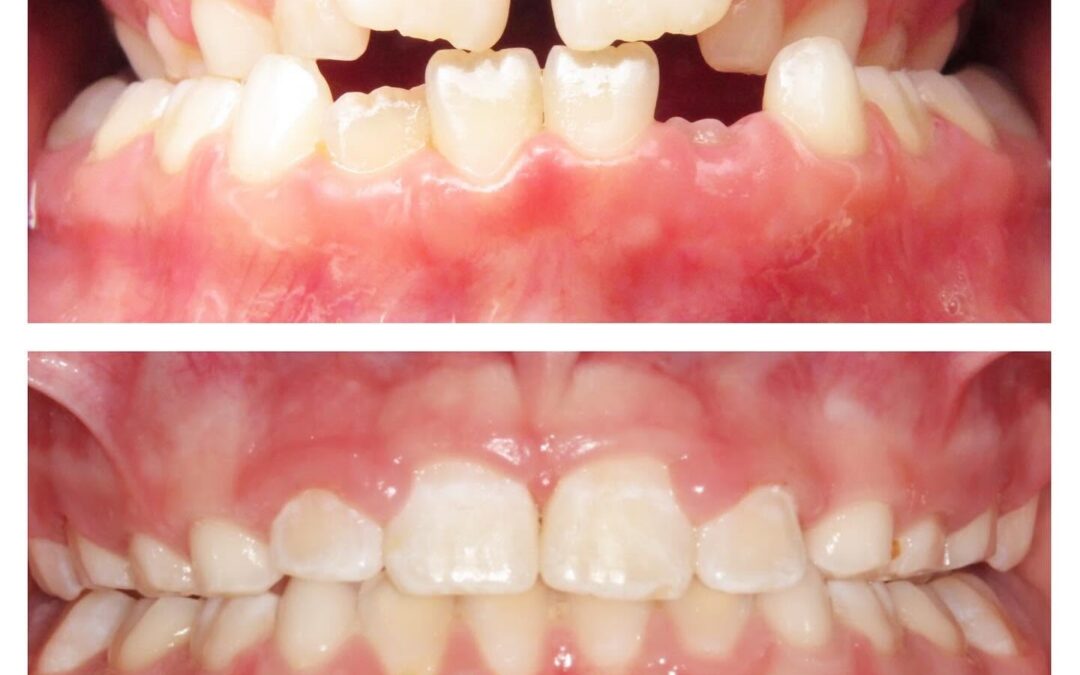
Open Bite Treatment in Denver
Open bite treatment in Denver from a board-certified orthodontist. Why your front teeth don’t meet, what may cause it, and how it gets corrected.
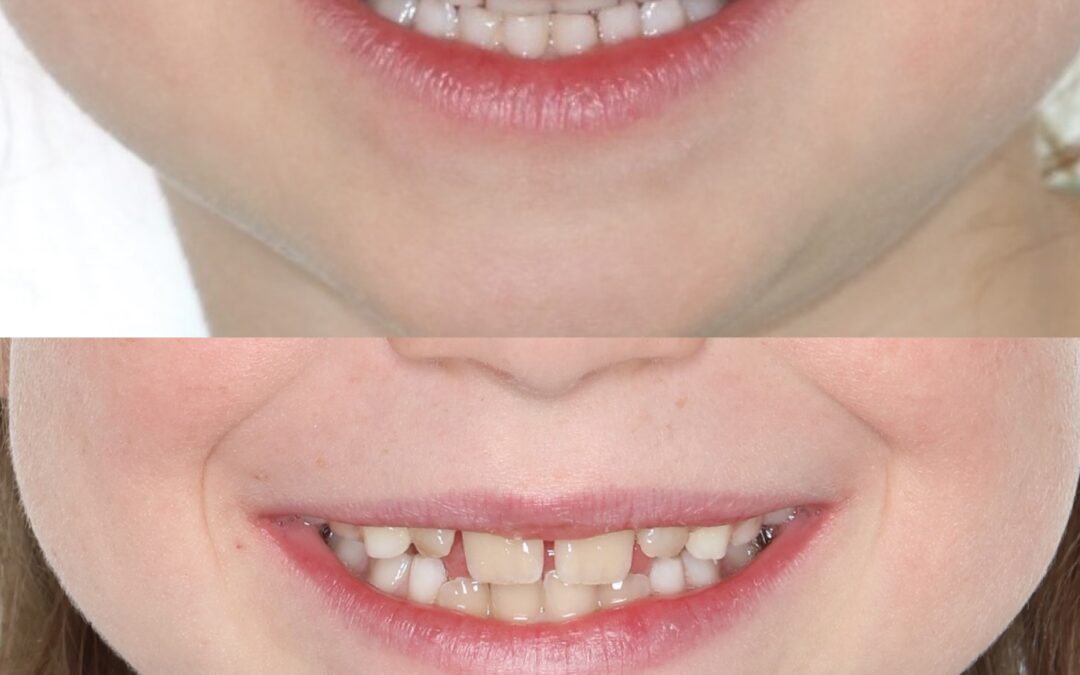
Underbite Treatment in Denver: Start With the Jaw Everyone Overlooks
Most people who come to us asking about underbite treatment in Denver have already been given a story about their bite. Usually it goes like this: the lower jaw grew too much, and someday surgery will fix it. Dr. Vanderstelt hears that story at our South Pearl Street...
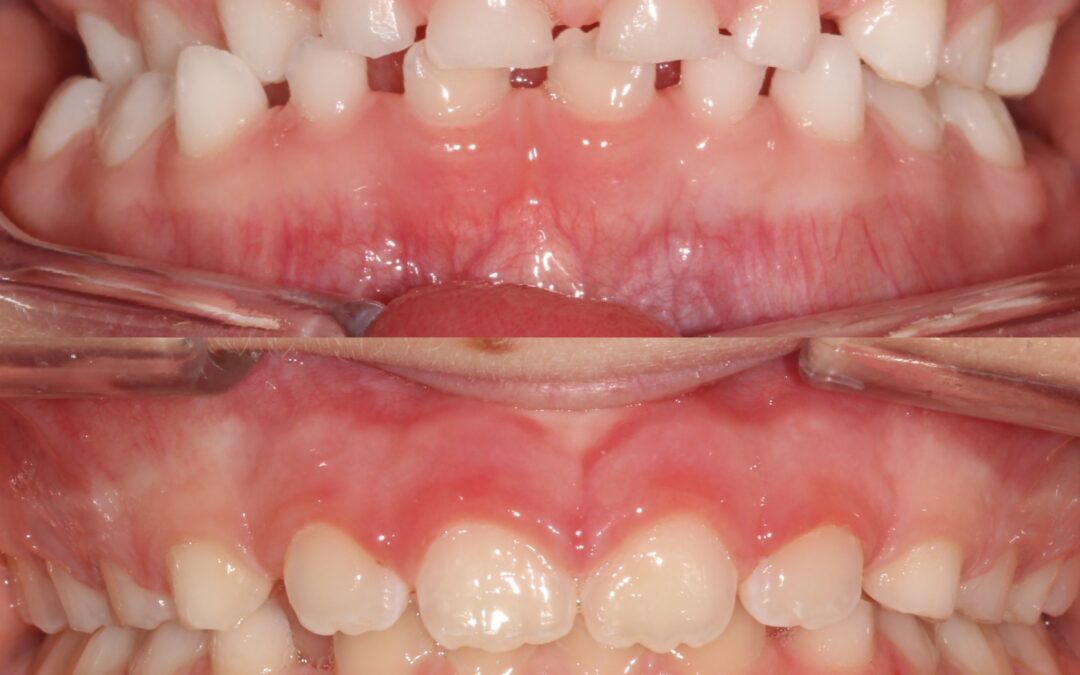
Crossbite Treatment in Denver
Written and clinically reviewed by Amanda Vanderstelt, DMD, MSD, board-certified orthodontist at aligned. Orthodontics in Denver's Platt Park neighborhood. Last reviewed August 2026. Close your teeth together slowly and pay attention to the last moment before they...
Overbite Treatment in Denver, Without the Guesswork
If you are looking into overbite treatment in Denver, you have probably already spent time in front of a mirror with your phone camera flipped around, trying to decide whether what you are seeing is normal. Here is the short version: almost everyone has some overbite....
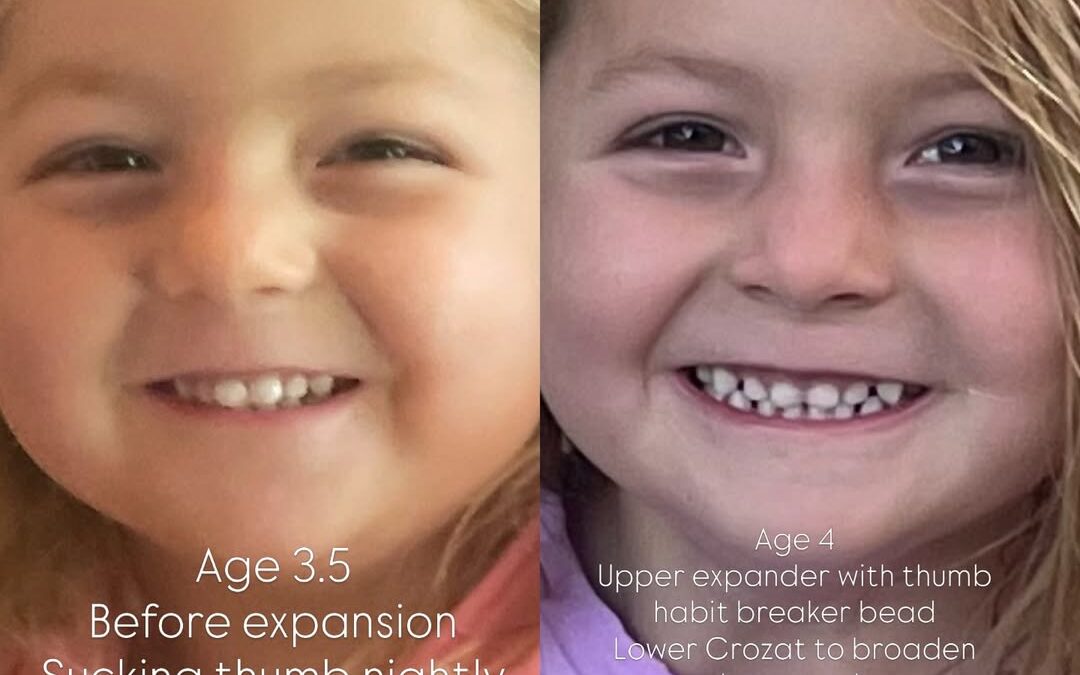
Thumb Sucking Treatment in Denver, From an Orthodontist Mom Who Gets It
Medically reviewed by Amanda Vanderstelt, DMD, MSD, Board-Certified Orthodontist If you're searching for thumb sucking treatment in Denver, you've probably already tried the bitter nail polish, the thumb shields, the sticker charts, and the gentle reminders that...
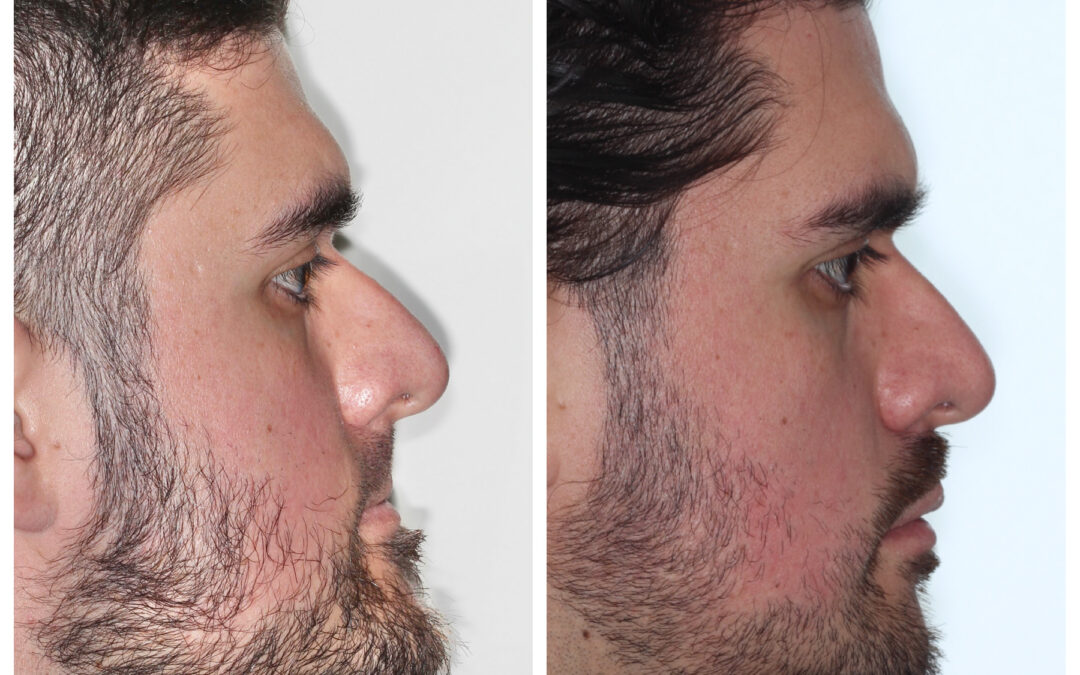
Jaw Surgery for Sleep Apnea in Denver
If you are researching jaw surgery for sleep apnea in Denver, you are probably feeling two things at once. Hope that something might finally fix your breathing, and dread about the surgery itself. I understand both, because I guide patients through this process...